
BEBRF FUNDS RESEARCH
At the heart of BEBRF’s mission is a commitment to finding answers. Through the generosity of our donors and supporters, BEBRF continues to fund research that helps us better understand blepharospasm, improve diagnosis, and move closer to better treatments for those living with this disorder.
This year, BEBRF is proud to support $194,824 in research funding for three innovative projects exploring important questions surrounding blepharospasm, including what happens around the eye, how we measure symptoms, and what factors may contribute to the development of this condition.
Every research grant brings us one step closer to understanding blepharospasm and finding new ways to improve the lives of those affected.

Looking Closer at Changes Around the Eye
Dr. Lilangi Ediriwickrema
University of California, Irvine
Project: Assessing Periocular Hemodynamics in Blepharospasm Using Spatial Frequency Domain Imaging
Dr. Ediriwickrema was awarded a $75,000 research grant to study changes in blood flow and tissue characteristics around the eyes of people with blepharospasm using advanced imaging technology.
By taking a closer look at what is happening around the eye, this research may provide valuable insight into the biological changes associated with blepharospasm and help researchers better understand the condition.
Exploring New Ways to Measure Blepharospasm
Dr. Hyder A. Jinnah
Emory University
Project: Computer Vision Assessment of Blepharospasm
Dr. Jinnah was awarded a $74,824 research grant to explore the use of computer vision technology to assess blepharospasm symptoms.
Developing more objective ways to measure symptoms could help researchers better understand disease severity and evaluate treatment outcomes in the future.

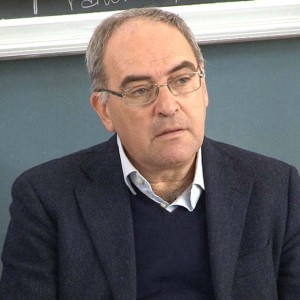
Searching for Clues About What Causes Blepharospasm
Dr. Giovanni Defazio, MD, PhD
Aldo Moro University of Bari, Bari, Italy
Co-Investigator: Prof. Alfredo Berardelli
Sapienza University of Rome and IRCCS Neuromed Institute
Project: Extensive Searching for Environmental Risk Factors for Adult-Onset Idiopathic Blepharospasm
Dr. Defazio and Prof. Berardelli were awarded a $45,000 research grant to examine possible environmental factors that may be associated with the development of adult-onset idiopathic blepharospasm. Understanding why blepharospasm develops remains one of the biggest questions facing our community. This research may help uncover i